By: Bayu Asep Saputra
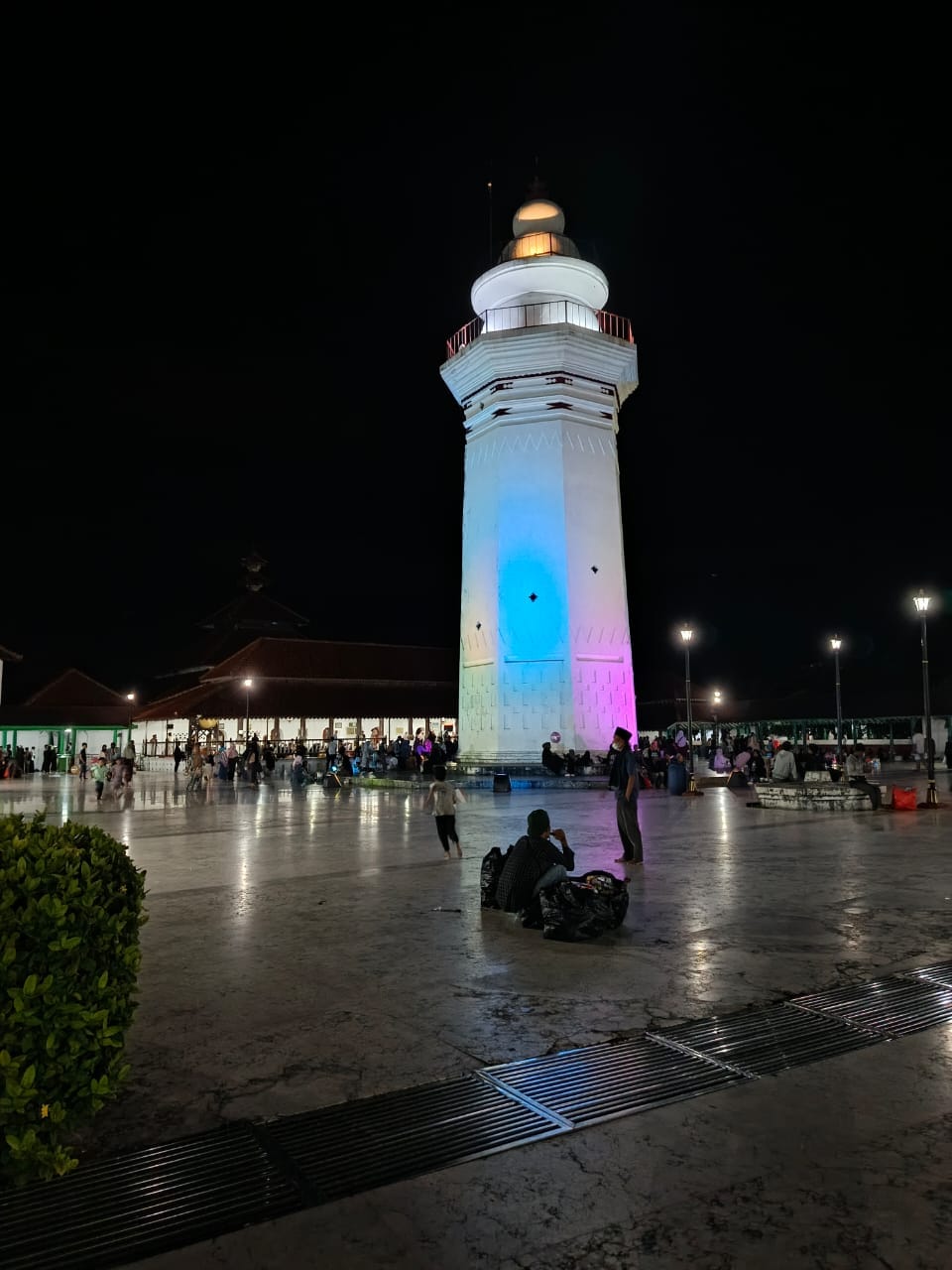
The Banten Tower, one of the most iconic elements of the Banten Great Mosque complex, is back in the public spotlight following intensified preservation efforts by the local government. Located in the village of Banten Lama, about 10 kilometers north of Serang City, this historic tower not only represents the glory of the archipelago's architecture, but is also a testament to the strong cultural integration during the 16th century Banten Sultanate.
Architecture that Blends the Archipelago, China, and Europe
Built during the time of Sultan Ageng Tirtayasa, Menara Banten is widely recognized for its unusual shape when compared to other mosque minarets in the archipelago. About 24 meters high with a base diameter of 10 meters, the minaret resembles a lighthouse or chimney, presenting an architectural silhouette rarely found in Islamic buildings in Indonesia.
The European influence appears to be quite strong, especially since historical records link the tower's design to Hendrik Lucaszoon Cardeel, a Dutch architect who was later awarded the title Pangeran Wiradiguna by Sultan Ageng. Cardeel was known as a figure who played an important role in the development of a number of Banten Sultanate infrastructures, so the combination of local, Chinese and European styles in this tower is considered a manifestation of the advancement of construction technology at that time.
The main material is sturdy bricks that have proven capable of lasting more than four centuries, although they are now showing signs of weathering and leaning that require conservative attention.
Historical Functions: From Azan Center to Watchtower
Historically, Menara Banten had a more complex function than just a place for the muezzin to call the azan. During the time of the Banten Sultanate, which was known as the center of international trade, the tower served as a watchtower that monitored activities in Banten Harbor and the waters of Banten Bay. From the height of its peak, which can only be reached through 83 steps in a narrow passage, the watchdog can detect the arrival of enemy ships or merchant ships from abroad.
Some historical sources also mention that the tower was once used as a weapons storage room. However, this claim is still debated among historians due to the lack of supporting archaeological evidence.
Closed to the Public: Four Centuries of Heritage Preservation
In recent years, the condition of the tower, which showed a slight slope, prompted the government and the management of the Banten Lama area to close public access to the inside of the tower. This policy was taken as a risk mitigation measure as well as part of the conservation strategy for the 400-year-old building.
Experts consider that this closure is the right decision, considering that the high intensity of tourist visits to the Banten Lama area can accelerate structural damage. Maintenance efforts, supervision, and technical studies continue to be carried out to ensure that the tower remains sustainable as a historical site that has very high architectural, religious and cultural value.
Symbol of Identity and Civilizational Integration
Menara Banten is not only an architectural artifact, but also a symbol of the integration of civilizations that occurred in Banten in the 16th century. At that time, the Sultanate of Banten was at its peak as an international trade center that connected the archipelago with the Islamic world, China and Europe. The existence of this tower reflects the inclusive cultural dynamics and adaptability of the Banten people to global currents.
To this day, the tower remains a major attraction for tourists, researchers and history buffs. Although it can no longer be climbed, its existence remains an icon that emphasizes the importance of preserving historical heritage as a collective identity of the people of Banten and Indonesia.