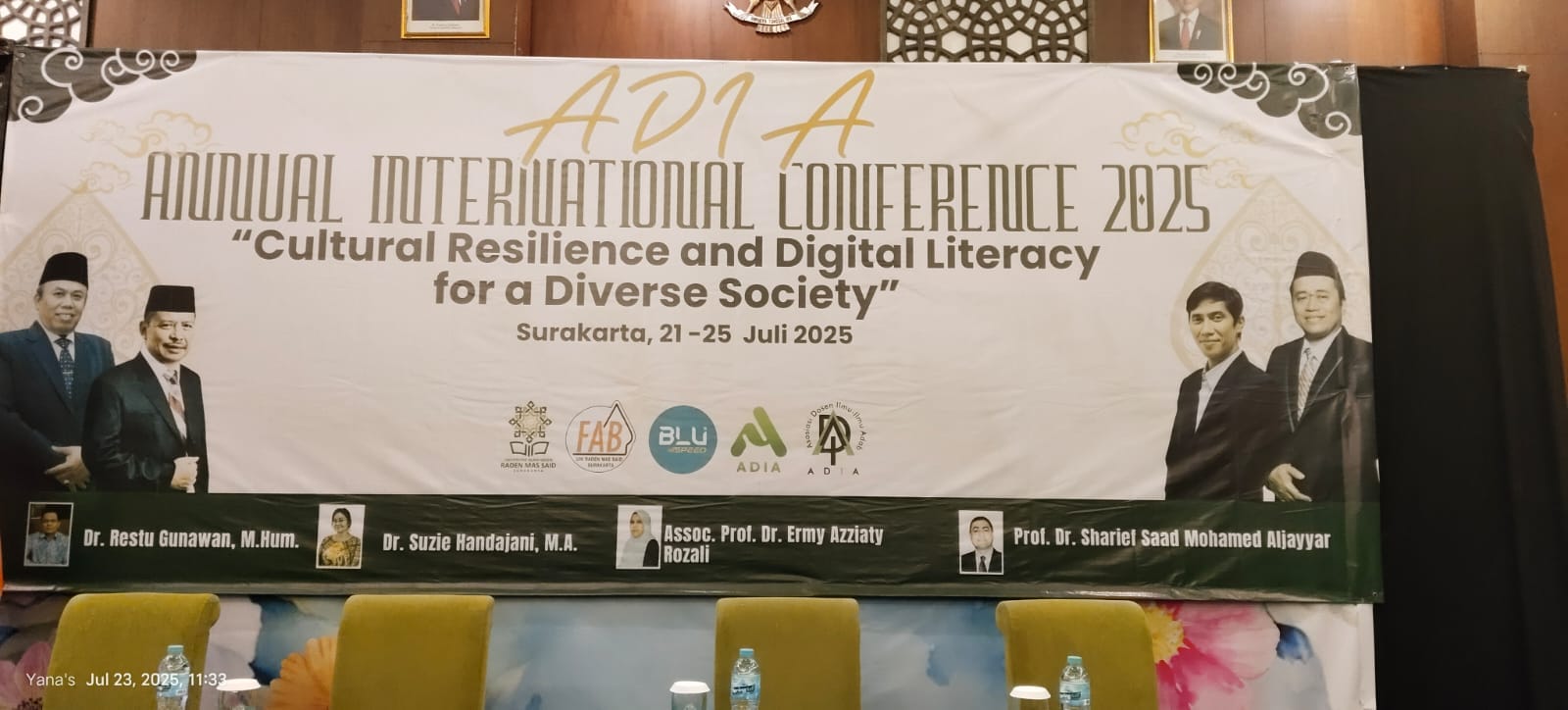
Surakarta - Dr. Aang Saeful Milah, M.A, lecturer at the Faculty of Ushuluddin and Adab (FUDA) UIN Sultan Maulana Hasanuddin Banten, participated in this event. ADIA: Annual International Conference 2025 organized by UIN Raden Mas Said Surakarta on July 21-25, 2025. This international conference carries the theme “Cultural Resilience and Digital Literacy for a Diverse Society”.
In this prestigious scientific forum, Dr. Aang Saeful Milah, M.A disseminated the results of his research entitled “From Sacralization to Authorization: The Use of Arabic in Friday Sermons in Banten as a Mode of Religious Authority” (From Sacralization to Authorization: The Use of Arabic in Friday Sermons in Banten as a Mode of Religious Authority).
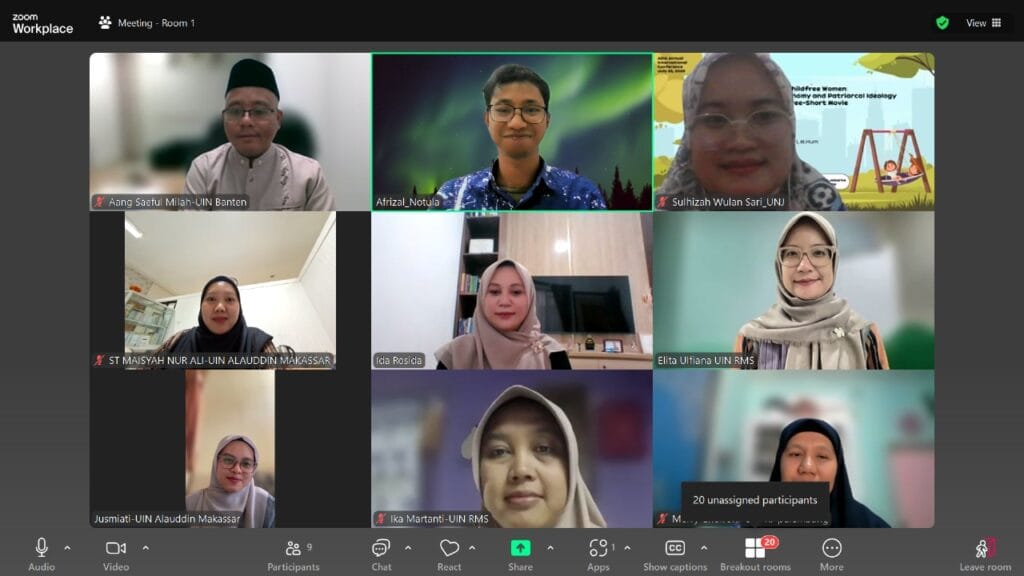
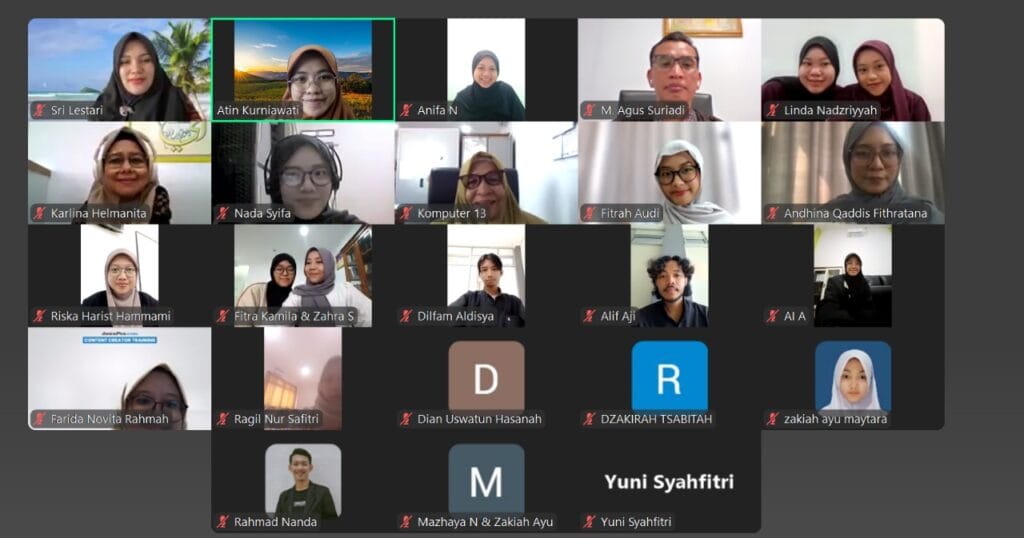
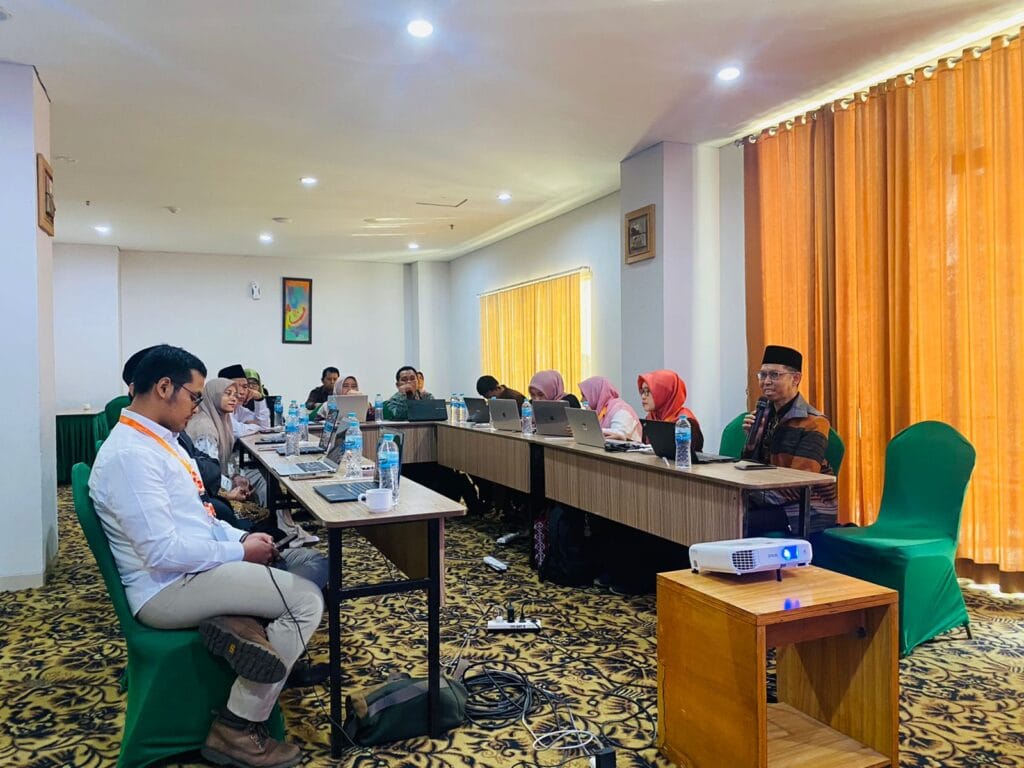
Due to budget efficiency considerations, Dr. Aang Saeful Milah, M.A delivered his presentation online through the Zoom platform. Despite not being physically present, his presentation still received an enthusiastic response from the conference participants.
This research is the result of collaboration with two other researchers, Hikmatullah and Tamimi, which was carried out throughout 2024. The main focus of this research is the phenomenon of the use of Arabic in Friday sermons in the Banten region, and how the language functions as a means of sacralization as well as an instrument of religious authority.
The key questions in this study are: How does the normatively required use of Arabic in the Friday sermon become a means of sacralizing and legitimizing the religious authority of the preacher before the community?
In his presentation, Dr. Aang Saeful Milah, M.A revealed a number of important findings, including
Arabic as Legitimization of Knowledge and Authority: Khatibs who use more Arabic are considered to have a higher level of knowledge.
Sacralization as Social Capital: The Arabic language reinforces the impression that the khutbah is a sacred ritual service, not just a form of lecture or advice.
Religious Authorization: The use of Arabic strengthens the preacher's social and spiritual position among the congregation.
Knowledge Access Gap: The Arabic language is also a limiting factor for lay worshippers in understanding the content of the sermon, thus limiting their active participation.
This dissemination is expected to open a wider academic discussion on the practice of Friday sermons in Indonesia, especially in areas with multilingual religious social realities such as Banten. In addition, the results of this research are also an important contribution to the study of religious sociolinguistics and scientific development in the fields of Islamic studies and da'wah communication.
Editor: Zaky