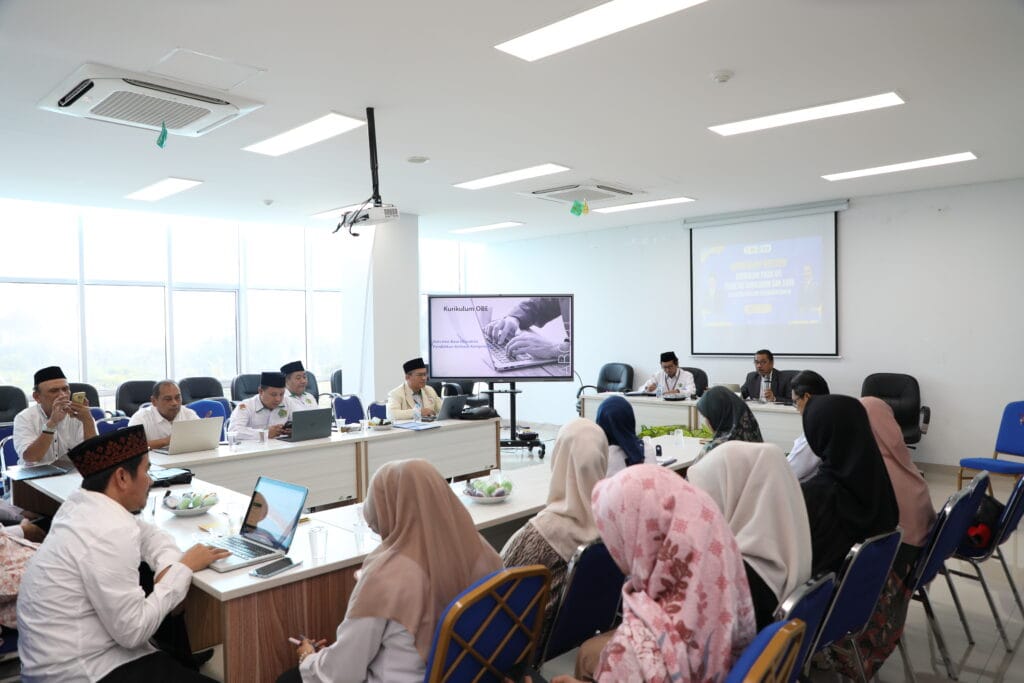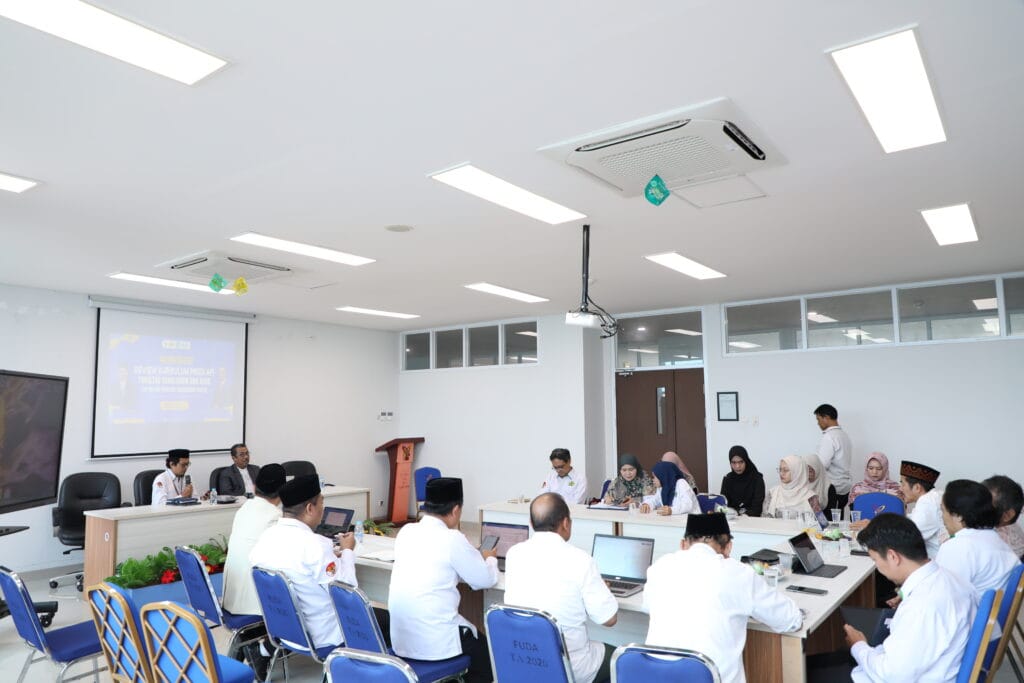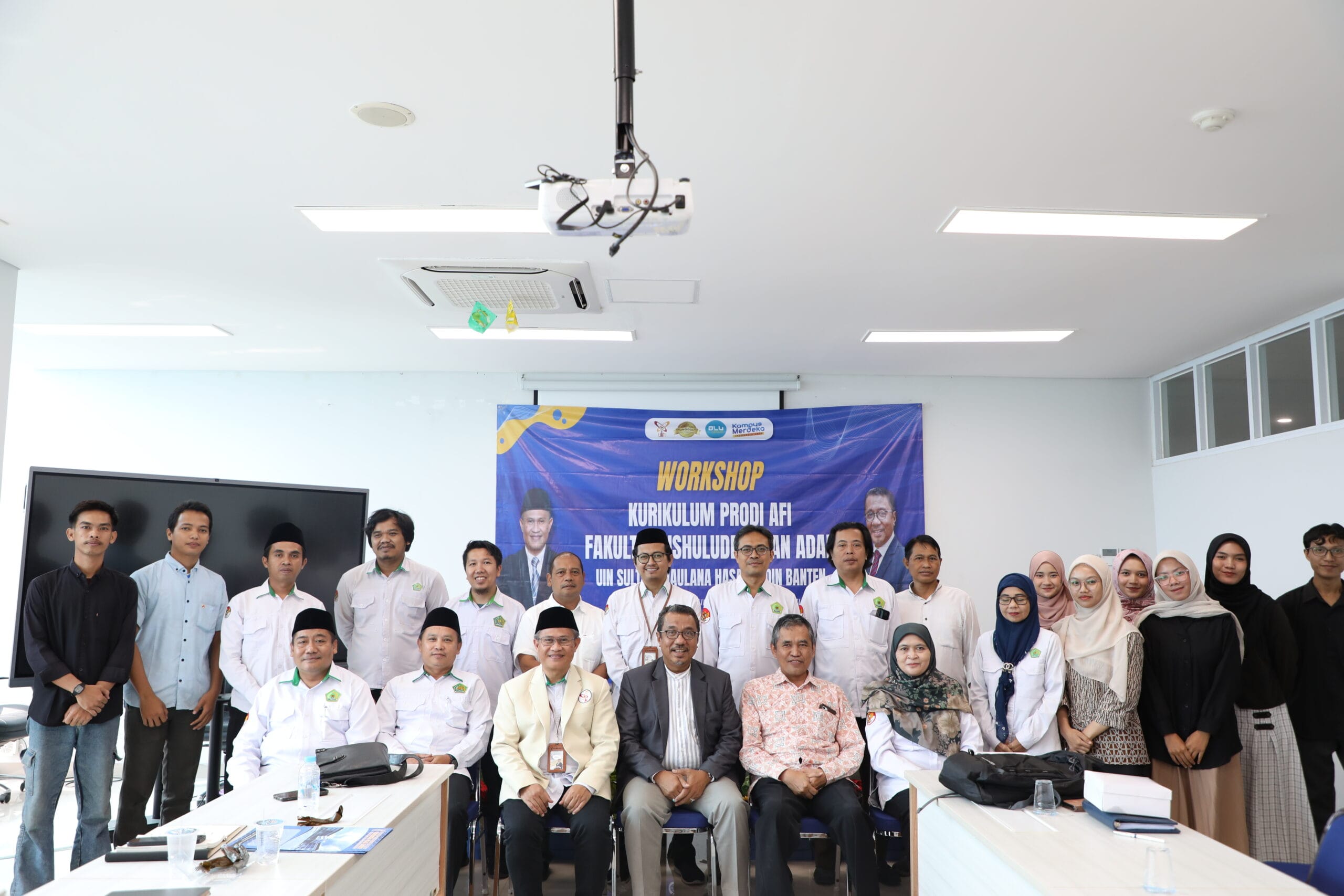
SERANG – The Faculty of Ushuluddin and Adab (FUDA) at Sultan Maulana Hasanuddin (SMH) State Islamic University (UIN) in Banten has once again taken a strategic step in its efforts to improve academic quality. This time, FUDA is organizing an event Workshop on Reviewing the Outcome-Based Education Curriculum (OBE) specifically for the Islamic Theology and Philosophy (AFI) Study Program on Monday, June 29, 2026, at the FUDA Meeting Room.
This event, aimed at responding to the evolving needs of the workforce and the latest academic developments, was officially opened by the Dean of FUDA at UIN SMH Banten, Dr. Masykur, M.Hum. In his opening remarks, the Dean of FUDA emphasized that the transition to an OBE-based curriculum is essential so that graduates of the program are not only theoretically strong but also possess practical skills that are relevant and measurable according to national and international accreditation standards.
The dean provided a profound philosophical and theological foundation regarding the urgency of curriculum reform by citing Surah Ar-Rum, verse 27, of the Qur’an.
“Allah says that He is the One who began creation, then restores it (recreates it) after its destruction, and that is easy for Him. ”This verse does not merely speak of the Day of Judgment, but provides a profound cosmological insight for humanity regarding the inevitability of renewal,’ explained the Dean of FUDA to the participants.”.
Furthermore, he contextualized that verse in relation to curriculum review. “An educational curriculum is not something static. It can ‘fall apart’ or become obsolete as it is swept away by the changing times. If God is constantly renewing His creation, then we, as educated human beings, must also continue to reconstruct and redesign (review) our curriculum. Restructuring the curriculum toward OBE is a form of our effort to—recreate ”Education is essential to ensure that AFI’s scholarly spirit remains alive, relevant, and continues to adapt to the ever-expanding realm of knowledge," he emphasized.
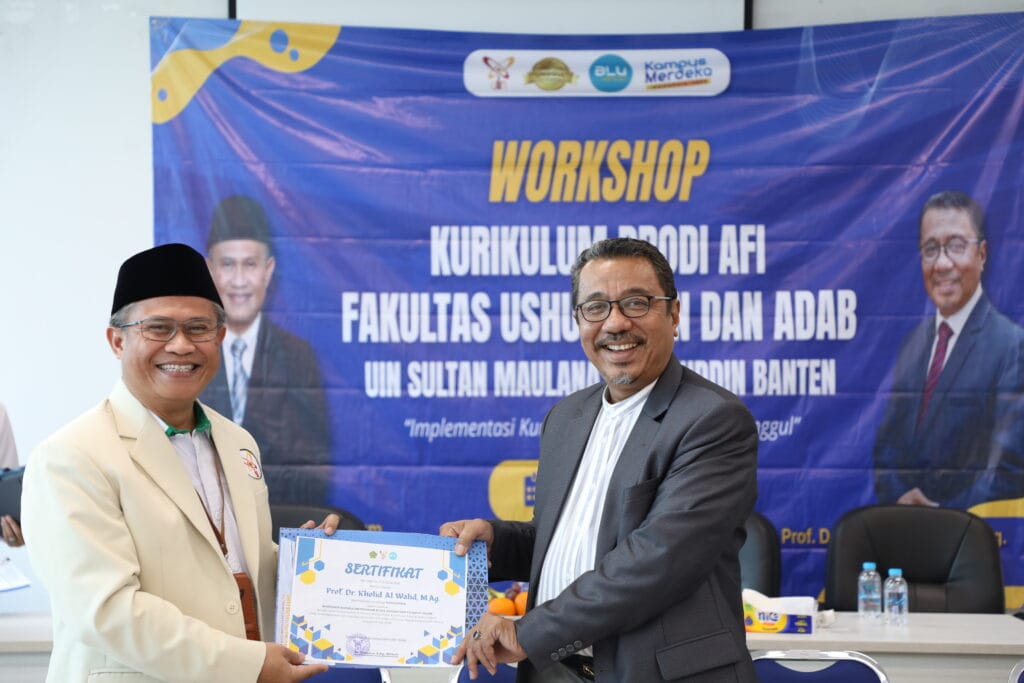
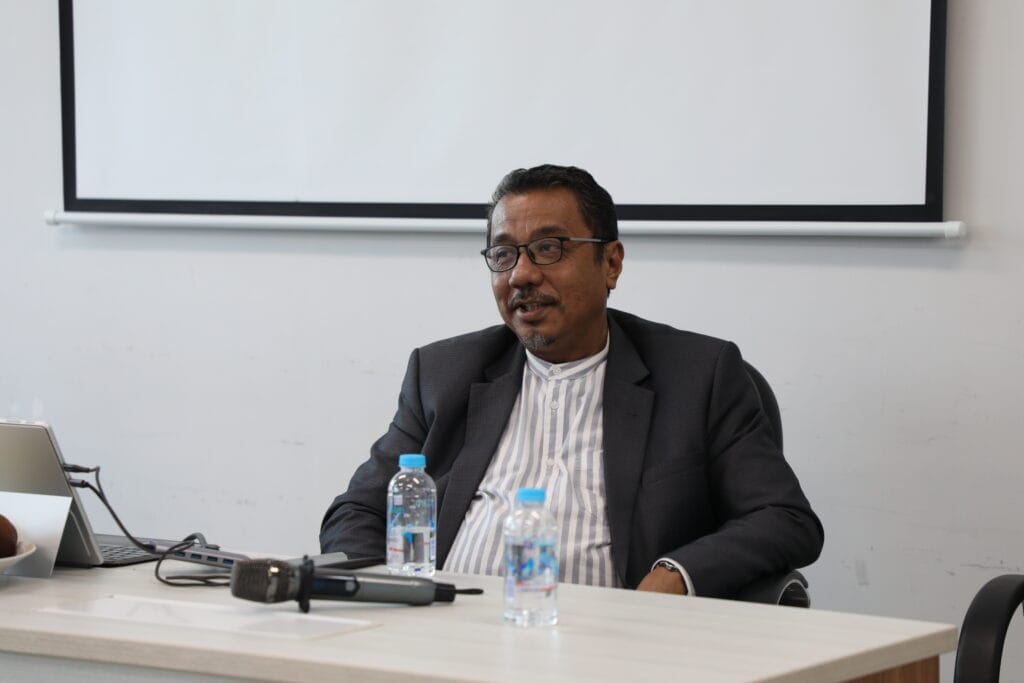
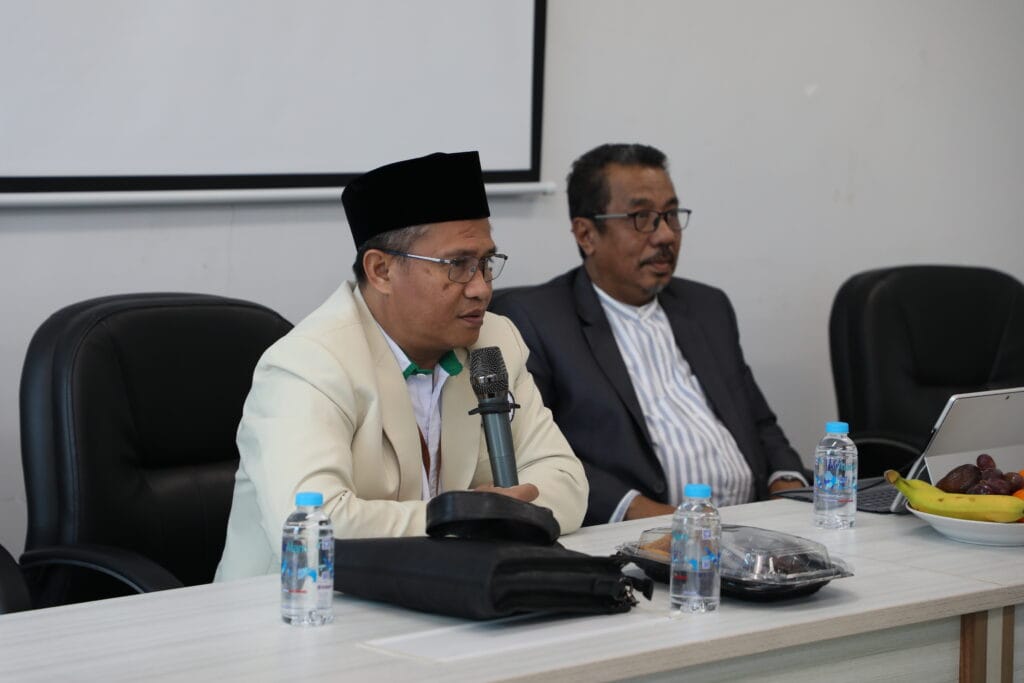
This workshop was made special by the presence of the keynote speaker, Prof. Dr. Kholid al Walid, M.Ag., who serves as Chair of the Indonesian Association of Islamic Creed and Philosophy (ASAFI). In his presentation, Prof. Kholid comprehensively analyzed how an OBE curriculum should be implemented in the fields of philosophy and Islamic creed. He emphasized the importance of formulating specific Graduate Learning Outcomes (GLOs) so that the study of Islamic philosophy can be more grounded and capable of addressing the challenges and crises of thought in the modern era.
In his presentation, Prof. Kholid emphasized that the fundamental principle of the OBE curriculum is that it is centered on graduate profiles and competencies (skill), as well as the actual needs of the job market.
“We must have the courage to identify the competencies that society is truly seeking today. For example, when AFI students participate in the Community Service Program (KKN), they are no longer expected merely to apply theory; rather, society expects them to be able to teach using creative methods or to serve as social media journalists capable of disseminating religious ideas in a moderate and engaging manner,” explained Prof. Kholid. He emphasized that these practical skills must be an integral part of the curriculum design so that AFI graduates have strong marketability.
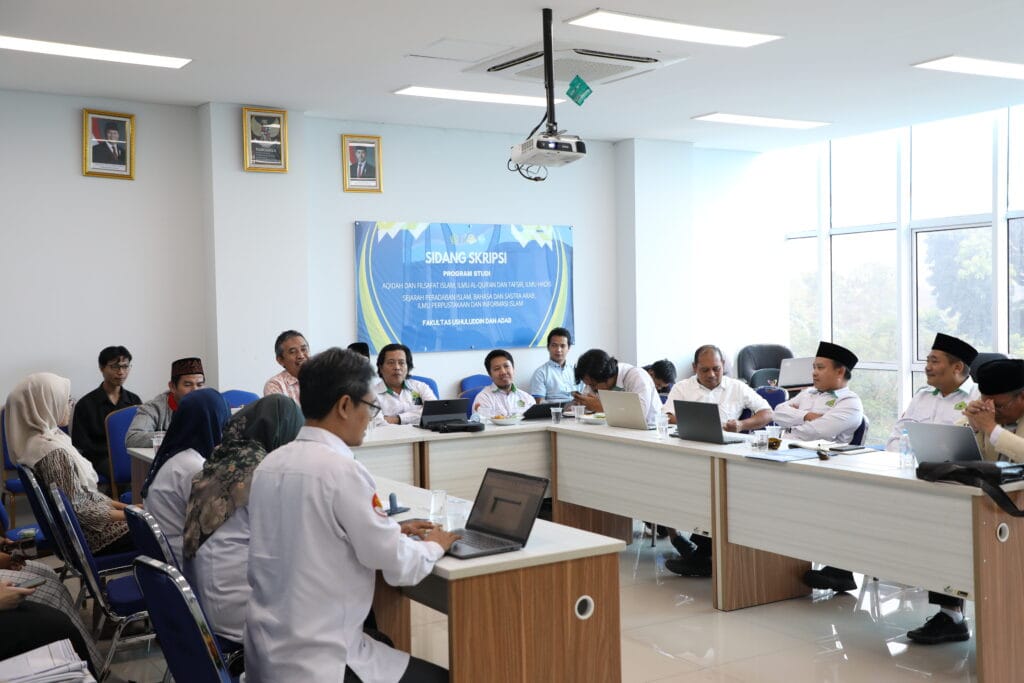
To ensure that the curriculum is truly holistic and practical, this initiative involves the active participation of various stakeholders. Discussions and reviews of the curriculum are not limited to the FUDA Dean’s Office and faculty members home base The AFI Study Program, as well as the Chairs and Secretaries of Study Programs (Kaprodi and Sekprodi) within FUDA, attended the event to ensure coordination across academic disciplines.
Furthermore, to gain a comprehensive understanding of the graduate profiles needed in the field, the committee also involved external stakeholders and students. The stakeholder, user (graduates), alumni representatives, and AFI students were given the opportunity to provide direct feedback on the effectiveness of the current learning process and on which competencies are most relevant in today’s workplace.
Through this engagement of various stakeholders from upstream to downstream, the AFI Study Program at UIN SMH Banten hopes to produce a draft of an OBE curriculum that not only meets administrative standards but is also truly progressive in fostering critical, adaptive, and globally competitive Islamic thinkers. FUDA: Critically, Locally, and Globally.