UIN Public Relations – It has been reported that people in China are selling licenses for their facial images for use in AI (Artificial Intelligence). This phenomenon is a new issue that needs to be addressed, particularly from the perspective of Islamic law.
Under Islamic law, a sale is considered valid if the item being sold belongs to the seller. This provision is based on a hadith narrated by Ahmad and Abu Dawud.
“From “Umar ibn Shu”ayb, from his father, from his grandfather, that the Messenger of Allah, peace be upon him, said: ‘Do not sell what does not belong to you.’”
Based on this principle, the scholars agree that if a person sells something that does not belong to him—or if the owner does not yet possess it—then the sale is invalid.
In Islam, the human body belongs to Allah, the Creator. The physical form and appearance do not belong to humans, and they are not permitted to sell them under Islamic law. Therefore, selling them falls under the category of selling something that does not belong to them. (Al-Muwafaqat II: 284).
Even if some people draw an analogy between the buying and selling of human organs and the permissibility of selling human milk in a cup—particularly according to the Shafi‘i and Hanbali schools of thought, which state that it is permissible to sell a woman’s milk in a cup—this analogy is inaccurate.
The Shafi’i and Hanbali schools of thought permit the sale of human milk on the grounds that milk is a bodily secretion and can be replenished. Furthermore, its presence in a woman’s breast poses a risk to her. This is unlike organs, which are components of the human body. For this reason, the majority of scholars do not permit the sale of human organs.
Furthermore, anyone who sells their organs—whether Muslim or non-Muslim—is engaging in an act that degrades human dignity, for Allah has honored humankind. Allah SWT says: {And indeed, We have honored the children of Adam…} [Al-Isra: 70].
This legal rationale can be applied to the case of selling facial licenses to AI. In this sense, both are prohibited under Islamic law—even if, for example, a “fake” human face is used on a robot for educational or missionary purposes.
Moreover, selling facial licenses to AI can lead to harm, such as deception (laghw) and games (la’ib). Human facial images used for robot masks or other visual manipulations have the potential to deceive and mislead others.
Based on the principle of “dar’ al-mafasid muqaddam ‘ala jalb al-masalih” (Preventing harm takes precedence over seeking benefit), the sale of human facial licenses for AI is not permitted. And Allah knows best.
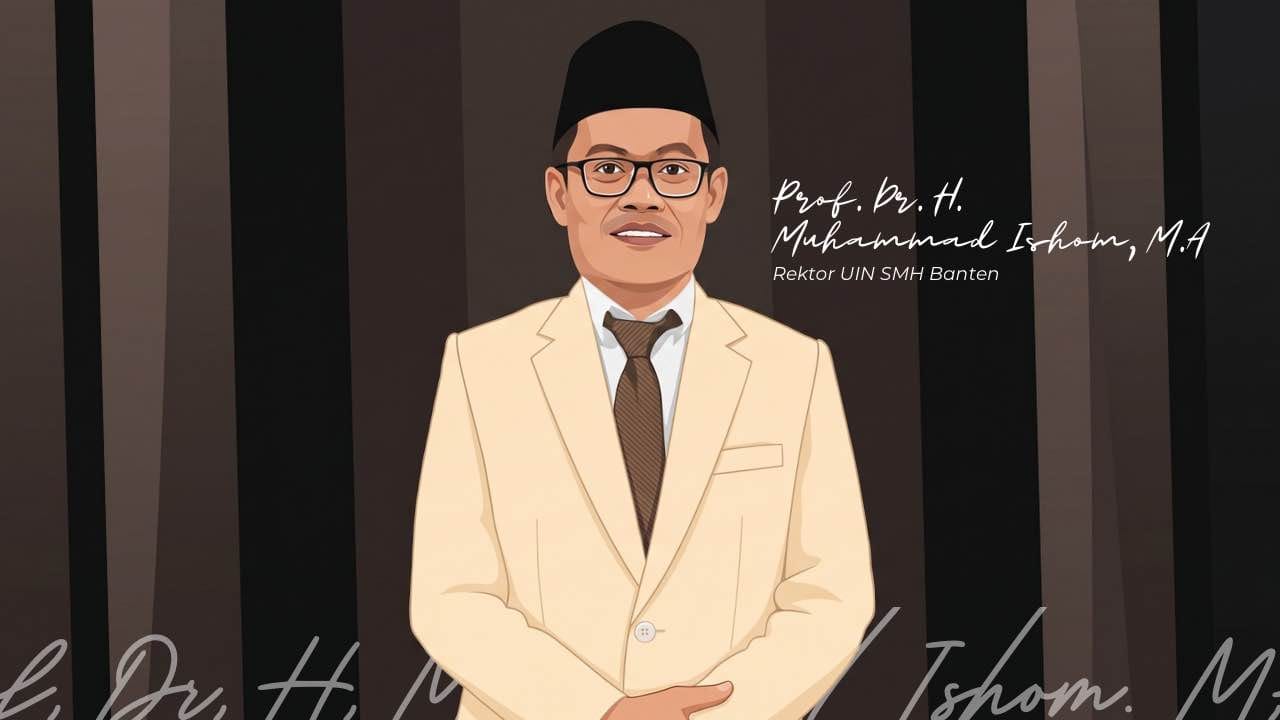
Prof. Dr. H. Muhammad Ishom, M.A. (Rector of UIN SMH Banten)
The post Selling Facial Recognition Licenses for AI: Is It Legally Equivalent to Selling Human Organs? first appeared on Spirituality, Intellectuality, Professionalism.