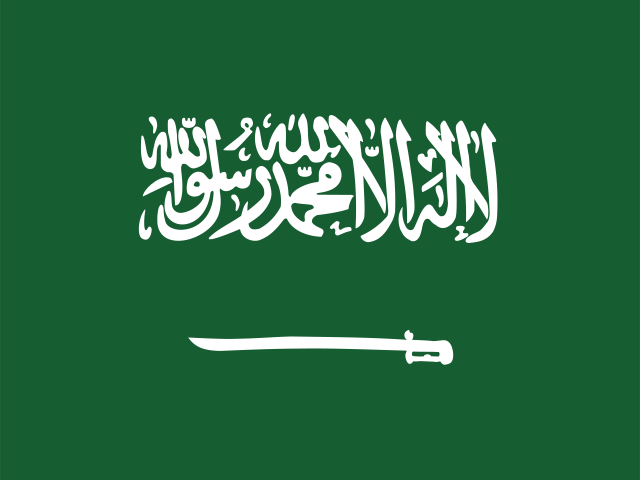

This article is a summary of my reflections on the nine days I spent in the Holy Land. Although the situation at the Two Holy Mosques—the Grand Mosque and the Prophet’s Mosque—appears stable and secure, a sense of unease still lingers in people’s hearts.
What if jet fuel prices rose, causing airfare prices to skyrocket? What if missiles began to fly over the Arabian Peninsula, disrupting flights to the Holy Lands? And what if other events occurred that would increase Muslims’ anxiety and add to their burdens?
Yes, the region has recently witnessed tensions and conflicts between two parties that are geographically and historically linked to the Holy Land: the Houthis and the Kingdom of Saudi Arabia. This conflict is not merely a dispute between two powers on the Arabian Peninsula; behind this tension lie the hopes of millions of Muslims whose hearts are deeply invested in the security and stability of the Two Holy Mosques.
Those who are performing their pilgrimage rituals in the Holy Lands—or planning to travel there in the coming days—want nothing more than a peaceful journey, safe flights, and the opportunity to perform their religious duties free from fear and anxiety.
As the conflict in this region intensifies, concerns are renewed regarding the safety of pilgrims and Umrah performers, as well as the stability of air routes and travel routes. Therefore, the call to «Make peace, Houthis and Saudis!» is not a matter of taking sides at the expense of the other, nor is it a political alignment with one party against another.
It is the voice of humanity, the voice of brotherhood, and the voice of a nation that hopes political differences will not remain a permanent burden on people’s lives and livelihoods. Weapons may be one language of power, but peace must be the language of wisdom.
Yemen has never been a marginal country in Arab history and civilization; it is a land with deep-rooted civilization, well-established scientific traditions, ancient trade networks, and a cultural heritage that spans the centuries. In the Arab historical memory, Yemen has been associated with prosperity, wisdom, and the authenticity and resilience of its people.
In fact, the hadiths of the Prophet Muhammad, peace be upon him, point to the virtues of the people of Yemen. When the people of Yemen arrived, the Prophet, peace be upon him, said: «The people of Yemen have come to you; they have the gentlest hearts and the most tender souls.» This meaning is recorded in the two authentic collections, al-Bukhari and Muslim, in similar wording.
The symbolic connection between Yemen and the Sacred House is evident in the name of one of the corners of the Kaaba, known as the Yemeni Corner. This corner is located before the Black Stone on the path of the tawaf around the Kaaba, traveling counterclockwise.
It was given this name because it is located on the side facing Yemen, in accordance with traditional Arabic geographical nomenclature. For Umrah pilgrims and Hajj pilgrims, the Yemeni Corner is not merely a part of a sacred structure; it is also a testament to the fact that geographical directions can hold within them traces of history and ties to civilization.
In an authentic hadith narrated by al-Bukhari and Muslim, ‘Abdullah ibn ‘Umar, may Allah be pleased with them both, reported that the Prophet, peace be upon him, would not touch any of the corners of the Ka’bah except the Yemeni Corner and the Black Stone. And he would supplicate between them, saying:
«Our Lord, grant us good in this world and good in the Hereafter, and protect us from the punishment of the Fire.».
The meaning of the supplication is: “O our Lord, grant us good in this world and good in the Hereafter, and protect us from the torment of the Fire.” This supplication is mentioned in verse 201 of Surah al-Baqarah.
Touching the Yemeni Corner is recommended for those who are able to do so, provided it does not cause harm to others or create a crowd. As for kissing it or pointing toward it with one’s hand when it is not possible to touch it, neither of these actions is specifically recommended, as is the case with touching the Black Stone.
Yemen’s presence in the Arab collective memory is not limited to sacred sites; it extends to the heavens through the star «Suhayl al-Yamani,» the Arabic name for the star known astronomically as Canopus. This star is considered one of the brightest in the night sky and has held an important place in Arab traditions of stargazing and navigation.
Its appearance from the south has been associated with Yemen, and in some regions of the Arabian Peninsula, it has been taken as a sign of the changing seasons and the waning of the intense heat. In the local cultural imagination, Suhail seemed to herald the end of difficult days and the arrival of more moderate times.
How wonderful it is to read in this divine message the wisdom that guides humanity on earth!
Just as the appearance of Suhail signals the transition from one season to another, so too must conflicts come to an end and find a path to resolution. So do not let the name of Yemen—associated with one of the corners of the Kaaba and a star to which all eyes turn—be surrounded by further suffering and pain.
O Saudi Arabia and O Houthis, put an end to this cycle of hostility, open the doors to dialogue, protect civilians, and make the future of future generations a priority that must not be compromised. The anxiety experienced by generations who have known nothing but fear and deprivation from this conflict has gone on for far too long.
The greatness of nations is not measured by the length of the wars they wage, but by their courage in bringing those wars to an end and their ability to choose peace when continued hostility leads only to further losses.
May the guests of the Most Merciful reach the Holy Lands in peace and tranquility; may Yemen regain its well-being; and may the skies over the Arabian Peninsula once again become a space of hope and serenity, not a theater for missiles and the shadows of war.
Make peace, Houthis and Saudis! For the Two Holy Mosques are the focal point of Muslims’ hearts, Yemen is an integral part of the Arab people’s memory and civilization, and peace is the hope that everyone deserves.
By: Muhammad Issam Al-Saaha
May the Houthis and the Saudis make peace!
This article is a reflection on nine days in the Holy Land. Although conditions at the two holy mosques (the Grand Mosque and the Prophet’s Mosque) were peaceful, a sense of unease still lingered.
What if the price of jet fuel rises, causing airfare to skyrocket? What if missiles were flying through the skies over Arabia, disrupting flights to the Holy Land? And so on.
Yes, a conflict has been raging recently between two nations very close to the Holy Land—specifically, the conflict between the Houthis and Saudi Arabia. This conflict is not merely a dispute between two powers on the Arabian Peninsula. Behind these tensions, there are millions of Muslims who pin their hopes on the security of the Holy Land.
Those who are currently performing the pilgrimage or planning to do so in the near future in the Holy Land certainly want a peaceful journey, a safe flight, and the opportunity to worship without any anxiety.
Every escalation of conflict in the region raises concerns, both for the safety of travelers and for the stability of air routes and travel. Therefore, the call “Make peace, Houthis and Saudis!!” does not represent taking sides with either party.
This is the voice of humanity, the voice of brotherhood, and the voice of the people who long for political disputes to cease weighing down the lives of the community. Weapons may be the language of power, but peace should be the language of wisdom.
Yemen itself is by no means a marginal player in Arab history. It boasts ancient civilizational roots, a scholarly tradition, a network of trade routes, and a rich cultural heritage. In the collective memory of Arab history, Yemen is often associated with prosperity, wisdom, and the resilience of its people.
A hadith of the Prophet Muhammad (peace be upon him) even mentions the virtues of the people of Yemen. When the people of Yemen arrived, the Prophet said, “The people of Yemen have come to you. They are the gentlest of hearts and the most sensitive of feelings.” (Narrated by al-Bukhari and Muslim, with various wordings).
Yemen’s symbolic connection to the Holy Land is also enshrined in the name of one of the corners of the Ka’bah: the Rukn al-Yamani. This corner is located before the Black Stone when one circumambulates the Ka’bah counterclockwise.
It is so named because it faces Yemen, in accordance with the Arab tradition of geographical naming. For worshippers, the Rukun Yamani is not merely a part of the sacred building, but a reminder that the cardinal directions can hold traces of history and ties to civilization.
In an authentic hadith narrated by al-Bukhari and Muslim, Abdullah ibn Umar reported that the Prophet did not touch any of the corners of the Ka’bah except for the Yemeni Corner and the Black Stone. Between those two corners, he recited the supplication: “Rabbana atina fid-dunya hasanah wa fil-akhirati hasanah wa qina ‘adzaban-nar”
Meaning: “O our Lord, grant us good in this world and good in the Hereafter, and protect us from the punishment of Hell.” (Quran 2:201).
Touching the Rukn al-Yamani is a Sunnah for those who are able to do so, without causing harm or jostling other pilgrims. There is no specific recommendation to kiss it or raise one’s hands toward it if one is unable to touch it.
The name “Yaman” also shines brightly in the sky through Suhail al-Yamani, the Arabic name for the star Canopus. This extremely bright star holds an important place in the Arab tradition of stargazing.
Its appearance from the south is associated with Yemen, and it also signals a change in the seasons and the easing of the heat in several regions of the Arabian Peninsula. In local culture, Suhail is seen as a harbinger that difficult times will pass and cooler weather will arrive.
How wonderful it would be if that message from the heavens were interpreted as advice for humanity on Earth.
Just as Suhail’s appearance marks the changing of the seasons, conflicts, too, should have their limits and a way out. Do not let the name of Yemen—which is inscribed on the corners of the Ka’bah and on that longed-for star—be surrounded by suffering.
Saudi Arabia and the Houthis, put an end to this cycle of hostility. Open the door to dialogue, protect civilians, and prioritize the future of a generation that has lived in fear for far too long. For a nation’s greatness is not measured by the length of its conflicts, but by the courage to end them.
May the pilgrims travel to the Holy Land in peace, may Yemen recover, and may the skies of Arabia once again become a place of hope, not a shadow of war.
M. Ishom el Saha
The post Make peace, Houthis and Saudi Arabia! first appeared on Spirituality, Intellectuality, Professionalism.